

Resynchronizing Implant Better at Preventing Heart Attacks
By wchung | 18 Jun, 2026
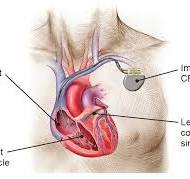
Boston Scientific said Tuesday a clinical study shows its heart resynchronization implant devices were better at preventing death or surgery due to heart failure than another popular type of device.
The Natick, Mass., company said patients implanted with the devices, which recoordinate the action of the right and left ventricles, were 29 percent less likely to die or need surgery than patients who had implantable cardioverter defibrillators.
ICDs are designed to restore a normal heart rhythm by delivering an electric shock.
Boston Scientific said the results show that early implantation of a cardiac resynchronization device can slow the progression of heart failure. The MADIT-CRT trial included more than 1,800 patients with class I or II heart failure, the two mildest types according to a New York Heart Association scale.
The company said about 70 percent of all U.S. heart failure patients have the class I or class II type. It estimated that 5.5 million people in the U.S. have heart failure.
In premarket trading, shares of Boston Scientific advanced 74 cents, or 8 percent, to $9.98.
6/23/2009 9:09 AM NEW YORK (AP)
© 2026 by Asian Media Group Inc.
Recent Articles
- Global Demand Surges for Anti-Drone Technology
- BYD Looks to Formula One for Fast Global Brand Expansion
- Europe's EV Sales Keep Growing As Fuel Costs Rise, Car Prices Fall
- SK Hynix Ships Samples of Next-Generation AI HBM Chips
- Apple to Raise Prices Due to Memory Chip Shortage
- Trump Scraps Four More Offshore Wind Leases with $765 Million Refund
- Oil Roundtrips, AI Booms, US Consumers Spend, Economists' Fed Outlooks Go Wild
- Trump Endorsee Loses in Georgia Governor's Primary Race
- BMW Shares Sink After Profit Warning Highlights China and Iran Risk
- AI Will Lead to Labour Shortages, Bezos Says at Paris Conference