

Tamil Rapper M.I.A Goes M.A.G.A
By J. J. Ghosh | 08 May, 2026
M.I.A. once wrote an unofficial Obama campaign anthem. Now she's been kicked off tour for supporting Trump.
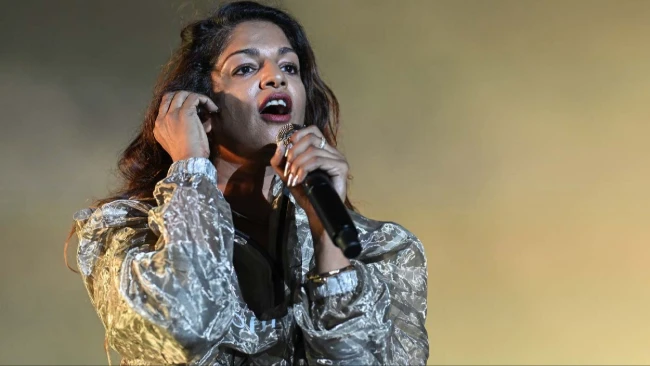
This past weekend, standing on a stage in Dallas, Texas, a 48-year-old Tamil-British rapper named M.I.A. told a Kid Cudi crowd something that would end her run on the tour within 48 hours.
“We can’t perform ‘Illegal,’” she quipped about one of her hits, “though some of you could be in the audience.”
The crowd was not with her.
“I’ve been canceled for many reasons,” she said. “I never thought I would be canceled for being a brown Republican voter.”
The audience booed.
Kid Cudi announced her removal from The Rebel Ragers Tour two days later via Instagram, writing that he had warned her management before the tour began that he didn’t want anything offensive at his shows, and that he had been flooded with messages from upset fans.
Rapper Kid Cudi expressed his disappointment in M.I.A., nothing that his fans had been expressing their unhappiness with her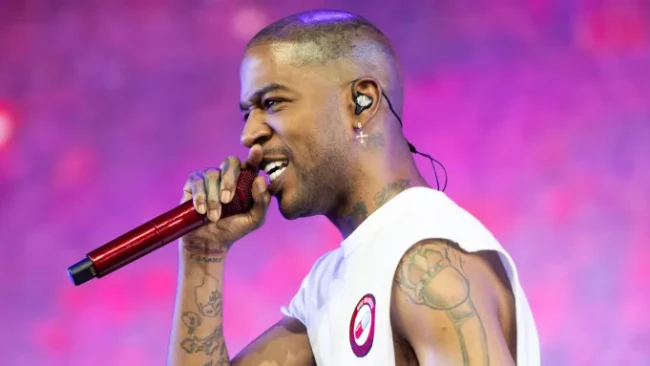
“This, to me, is very disappointing,” he wrote. “I won’t have someone on my tour making offensive remarks that upsets my fanbase.”
M.I.A. responded on X in all caps, insisting she had been misread — that she was introducing her 2010 song “Illygal” by explaining that she herself had visa problems, and that the song’s lyric “fuck the law” still reflected her beliefs when the law is unjust. “DO NOT GASLIGHT MY WORDS,” she wrote.
“48% of Latin community voted Trump" she wrote, "So are you going to hate them all?”
It was, even by M.I.A.’s standards, a chaotic week.
And it raises a question that has been hovering over her for several years now: how did such a radical, politically charged artist of her generation end up here?
Who Is M.I.A.?
Mathangi Arulpragasam was born in London and spent much of her childhood in northern Sri Lanka. When the civil war between the Tamil minority in the north and the Sinhalese government in the south intensified in the 1980s, her father joined the militant Tamil Tigers. The rest of her family fled, eventually returning to London, where she studied visual arts and began making music under the name M.I.A.
M.I.A's hit song Paper Planes was featured prominently on Slumdog Millionaire Soundtrack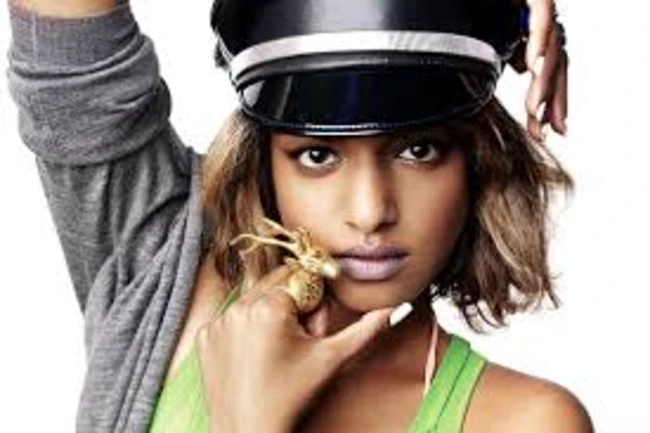
She's Tamil. She's Sri Lankan. She's South Asian in the most specific and often-overlooked sense — not Indian, not Pakistani, but from a minority ethnic group whose history of displacement, statelessness, and political violence shaped her entire artistic identity.
She's, by any reasonable definition, part of the AAPI diaspora, even if she doesn’t always get framed that way in American media coverage that tends to default to East Asian faces when it thinks about Asian representation.
Her 2005 debut album, Arular, was named after her father’s Tamil Tiger alias. Its cover featured cartoon tanks and AK-47s. It was a huge success on the club circuit, and M.I.A.’s politics lent a new gravity to the dance music genre.
This was not an artist who kept her background decorative. The Tamil civil war, refugee experience, and anti-imperialist politics were the entire point.
Paper Planes
In 2007, M.I.A. released “Paper Planes” — a song whose lyrics were inspired by her own problems obtaining a visa to work in the United States, satirizing American perceptions of immigrants from Third World nations. It sampled the Clash, had gunshot sounds, and was the most unlikely mainstream crossover hit of the decade.
The song was featured in the trailer for Pineapple Express, appeared on the Slumdog Millionaire soundtrack, received a Grammy nomination for Record of the Year, and topped the annual Pazz & Jop critics’ poll.
M.I.A. performed at the Grammys that February, nine months pregnant, sharing a stage with Jay-Z, T.I., and Kanye West. It remains one of the more surreal images in recent pop culture history: a Tamil Sri Lankan refugee’s daughter, enormous with child, performing a song about getting shot at and chased across borders, at the most establishment music ceremony in America.
Barack Obama publicly endorsed the song during his 2008 presidential campaign, and it became culturally intertwined with that political moment. M.I.A.’s feelings seemed mutual. She offered to hold an event for his campaign in Iowa before the 2008 caucuses.
To put it simply, the song was embraced by the very liberal movement that M.I.A. would later repudiate.
The Long Shift
The turn didn’t happen overnight. It happened in stages, each one a little more bewildering than the last.
In 2016 she was dropped from the headline slot at Afropunk Festival in London after saying there was too much focus on the Black Lives Matter movement, and that the energy was better suited to other humanitarian issues, like violence against Muslim people.
It was a tone-deaf comment that got her labeled as dismissive of Black lives — an ironic turn for an artist who had spent years performing alongside Black artists and whose entire musical DNA was rooted in diaspora solidarity.
By 2022 she was comparing Alex Jones’ lies about Sandy Hook to “every celebrity pushing vaccines.” This was no longer a matter of political nuance. This was a full immersion in conspiracy culture.
In 2024 she went on Alex Jones’ show to launch an apparel line that supposedly blocks 5G signals. She followed Robert F. Kennedy Jr.’s lead in endorsing Trump for president, despite being unable to vote in the United States.
In September 2025 audience members at a Montreal festival reported her going on a mid-show rant that included her “wishy-washy support” for Trump, Palestine, and avian influenza.
And then Dallas.
What to Make of It
The charitable read is that M.I.A. has always been anti-establishment, and the establishment has shifted — that her suspicion of institutional power, government authority, and mainstream consensus is consistent even if the targets have changed.
The Tamil Tigers were not, after all, a liberal organization. Her father’s politics were not MSNBC-friendly. She grew up watching the Sri Lankan government commit atrocities that the Western liberal press largely ignored. Can you fault her for her distrust — at least at first?
Maybe COVID exacerbated those suspicions significantly. She would not be the first person to have suffered serious mental health effect from a once in a generation pandemic.
The less charitable read is that she has traded one form of radical politics for another, and that the second one happens to align her with people who would deport the Tamil refugees she claims to represent.
Say what you want about M.I.A., but her beliefs seem to be genuine, not opportunistic. She is, by all evidence, someone who has followed her own contrarian instincts wherever they lead, without much concern for where she lands or who she lands next to.
For twenty years that quality made her one of the most original artists in popular music. Somewhere along the way it led her to Alex Jones’ studio and a Dallas stage getting booed off a Kid Cudi tour.
Or maybe at some point she went from empathizing with the slumdogs to siding with the millionaires.
Say what you want about M.I.A., but her beliefs seem to be genuine, not opportunistic. She is, by all evidence, someone who has followed her own contrarian instincts wherever they lead, without much concern for where she lands or who she lands next to.
Recent Articles
- Tehran Could Withstand Blockade for 4 Months, CIA Reports
- Vox Momenti: Boba Girl
- Trump Releases DOD UFO Files, More Expected
- How Don Can Make the US and the World Whole at the Beijing Summit
- Trump Plans Smaller CEO Delegation to Beijing Summit
- US Image Sinks Below Russia's Under Trump, Survey Finds
- Stellantis, Leapmotor to Become Joint Venture in Europe EV Production
- Sony, TSMC Plan New Japan Joint Venture for Next-Generation Image Sensors
- Chinese Fireworks Makers See Trump Visit Auguring Spectacular July 4 Celebrations
- Hybrid Car Sales Soar in US Along with Gas Prices